
A practical UK guide to legal duties, proportionate risk assessment and water-system controls
Grey Knight Solutions Ltd • UK Fire Safety & Compliance Knowledge Hub
Legionella compliance is often misunderstood. Some duty holders assume every property needs routine laboratory sampling; others assume a small domestic-style system presents no legal responsibility at all. Neither approach is a reliable substitute for risk assessment.
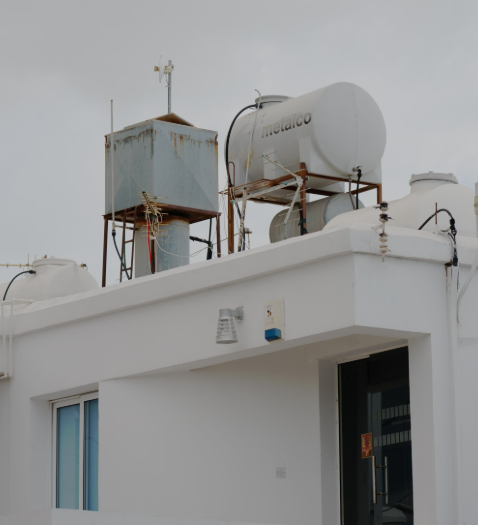
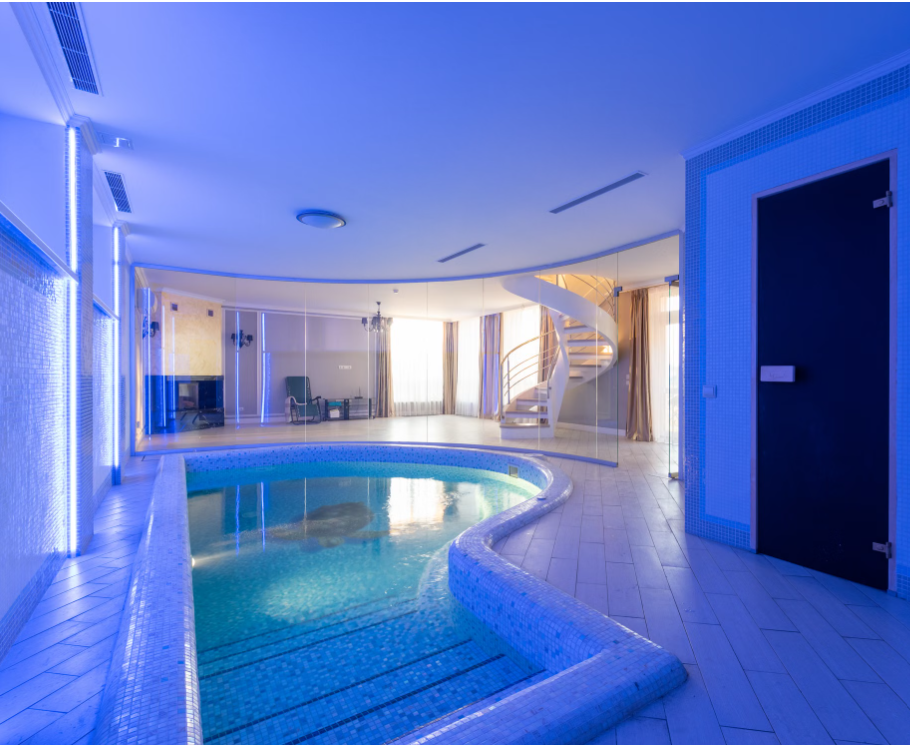

Image1: Businesses with cooling towers, pools and showers need to regularly check their compliance to the law on Legionella risks
Employers and people in control of premises, including landlords, have duties to identify and manage reasonably foreseeable risks from exposure to Legionella bacteria. The appropriate controls depend on the water system, how it is used and who may be exposed.
|
The short answer |
What is Legionella and why does it matter?
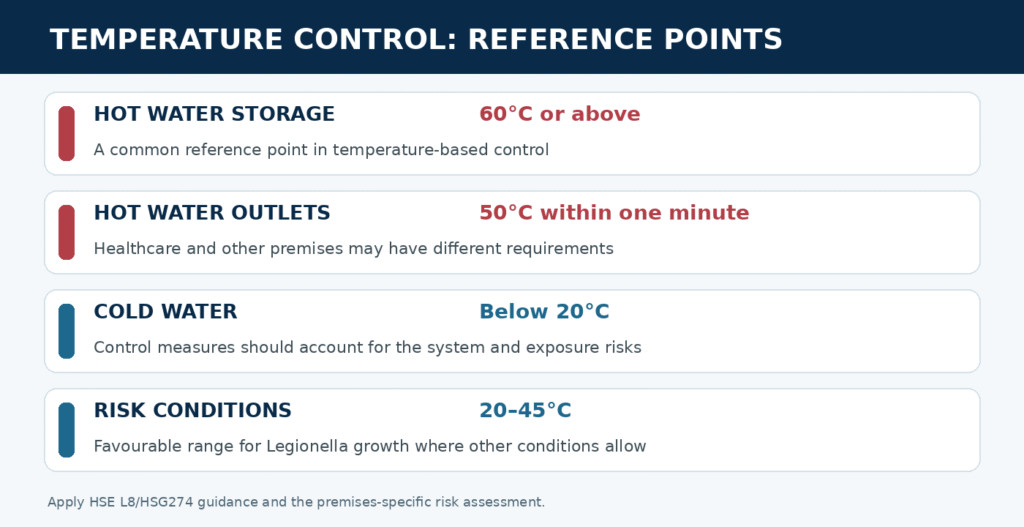
Legionella bacteria can multiply in man-made water systems when conditions are favourable. Risk is associated particularly with water temperatures between 20°C and 45°C, stored or recirculating water, nutrients such as scale or biofilm, and systems capable of creating inhalable droplets – for example showers and some spray outlets.


Image2:Legionella proliferates in suitable conditions mimiced in the laboratory. This is a useful way to risk assess a sample from a business
People who are older, unwell, immunocompromised or otherwise susceptible may face greater consequences from exposure.
What are the legal duties?
The Health and Safety at Work etc. Act 1974 provides the overarching duty. The Management of Health and Safety at Work Regulations 1999 provide a general framework for risk management, while the Control of Substances Hazardous to Health Regulations 2002 (COSHH) provide the framework for assessing and controlling exposure to biological agents such as Legionella. HSE Approved Code of Practice L8 and technical guidance HSG274 explain how duty holders can manage and control the risk.
Do landlords need a Legionella risk assessment?
Yes, landlords have a legal responsibility to assess and control the risk of exposure to Legionella in rented accommodation. This does not mean every property needs a complex consultant report or a “Legionella test certificate”. HSE states that testing or sampling is not usually required for ordinary domestic hot and cold water systems and that health and safety law does not require landlords to obtain a Legionella test certificate.

For a straightforward domestic-type system with good water turnover, the assessment may conclude that the risk is low and existing controls are sufficient. The important point is that the conclusion should follow from a competent assessment rather than assumption.
What should the assessment consider?
System description
How cold water enters the premises, whether it is stored, how hot water is generated and stored, and the outlets and equipment connected to the system.
Temperature
Whether parts of the system operate within temperature ranges that can encourage bacterial growth.
Stagnation
Little-used outlets, vacant rooms, redundant pipework or periods of low occupancy can allow water to stagnate.
Aerosols
Showers and other outlets capable of producing fine droplets can create a route of exposure.
Condition of the system
Scale, sediment, corrosion, poor tank condition and biofilm can support bacterial growth.
Susceptible occupants
Care settings, supported accommodation and premises used by older or clinically vulnerable people require particular attention.
A practical case study
Illustrative case study – small residential accommodation |
Do you need to test the water for Legionella?
Not routinely in every domestic hot and cold water system. HSE specifically distinguishes risk assessment and control from microbiological sampling. Sampling is used in particular circumstances and should be based on the system and risk profile. For many lower-risk systems, good design, temperature control, turnover, maintenance and appropriate flushing are more relevant routine controls.

How often should a Legionella risk assessment be reviewed?
There is no general legal rule requiring every landlord’s Legionella assessment to be renewed annually or every two years. HSE advises periodic review and review when circumstances change. Examples include alterations or expansion of the water system, changes in occupancy or susceptible users, prolonged vacancy, evidence that controls are not working, or changes in management responsibility.
Practical controls that may be appropriate
· Maintain appropriate hot and cold water temperatures where temperature is the chosen control method
· Avoid unnecessary water storage and remove redundant pipework where practicable
· Flush little-used outlets at an appropriate frequency
· Keep cold-water storage tanks, where fitted, clean, covered and appropriately maintained
· Clean and descale shower heads and hoses as required
· Maintain records proportionate to the system and dutyholder responsibilities
· Make sure responsibilities are clearly allocated where managing agents or contractors are involved
Temperature reference |
Who should carry out the assessment?
A dutyholder may carry out a straightforward assessment themselves if they are competent. Where the system is more complex, occupants are particularly susceptible, or the dutyholder does not have sufficient knowledge and experience, competent external assistance should be obtained. Appointing a contractor does not remove the dutyholder’s responsibility to make sure the risk is properly managed.
Grey Knight Solutions can help |
Frequently asked questions
Do landlords need a Legionella certificate?
HSE states that health and safety law does not require landlords to obtain or produce a “Legionella test certificate”. The duty is to assess and control the risk.
Does every property need water sampling?
No. Routine microbiological sampling is not normally required for ordinary domestic hot and cold water systems. It is used where justified by the risk and circumstances.
Is a two-year Legionella assessment a legal rule?
No universal annual or biennial review period is prescribed for landlords. The assessment should be reviewed periodically and when changes could affect its validity.
What happens if the assessment finds low risk?
If there is no reasonably foreseeable risk, or risks are low and properly managed, extensive additional controls may not be necessary. Existing controls should still be maintained and the assessment reviewed when appropriate.
Need a Legionella risk assessment?
If you manage rented accommodation, a care setting or commercial premises and are unsure whether your water-system risks are properly assessed, contact Grey Knight Solutions Ltd. We provide practical assessments aligned with HSE L8 and HSG274 guidance.
BOOK / ENQUIRE: www.greyknightsolutions.com | 0161 883 7533
Authoritative sources & further reading
· HSE – Legionella and landlords’ responsibilities: https://www.hse.gov.uk/legionnaires/legionella-landlords-responsibilities.htm
· HSE – Legionnaires’ disease: what you must do: https://www.hse.gov.uk/legionnaires/what-you-must-do/index.htm
· HSE – L8 Approved Code of Practice: https://www.hse.gov.uk/pubns/books/l8.htm
· HSE – HSG274 Part 2: Hot and cold water systems: https://www.hse.gov.uk/pubns/priced/hsg274part2.pdf