
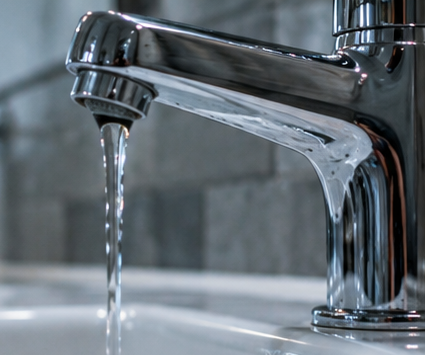
Water outlets in low-use areas require appropriate risk-based controls.
An empty bedroom, a rarely used shower or a closed office may appear harmless. Yet where water is left standing in pipework, an otherwise ordinary building can develop conditions that favour Legionella bacteria. For landlords and businesses, the key question is not simply whether a risk assessment exists, but whether the water system is being managed in the way the assessment requires.
Why low-use water outlets deserve attention

Assessing showers and infrequently used outlets as part of a water hygiene review.
Legionella bacteria occur naturally in the environment but can multiply in man-made water systems, particularly where water remains between approximately 20°C and 45°C and nutrients such as scale, sediment or biofilm are present. Infection can occur when contaminated water is dispersed as fine droplets and inhaled. Showers and spray outlets are obvious examples, but risk depends on the entire water system, its use and the people exposed.
Regular water turnover helps reduce stagnation. When a property is unoccupied, a room is taken out of service or a rarely used tap is overlooked, the pattern of water use changes. The hazard is not necessarily visible: clear-looking water does not establish that a system is adequately controlled.
Why this remains a live concern in 2026
In a public health bulletin updated in September 2026, the UK Health Security Agency described an investigation into a cluster of Legionnaires’ disease cases in London. The report did not identify a common source at that stage. It is a reminder of the importance of effective water-system management, not evidence that every building is high risk or that a new annual assessment rule has been introduced.
Which premises should pay particular attention?
Hotels, guesthouses and serviced accommodation may have rooms that remain vacant between bookings. HMOs, student accommodation and rental properties can have periods of reduced occupancy. Offices, schools, community buildings and workplaces may have showers, kitchenettes or welfare facilities used only occasionally. In care settings, the consequences of exposure can be greater because some occupants are more susceptible to infection.
The appropriate precautions will differ. A small, regularly occupied property with a simple mains-fed system may present a relatively low risk, while a building with stored water, long pipe runs, multiple outlets or vulnerable users may require a more developed control regime. A proportionate, site-specific assessment should establish the difference.
What UK law actually requires
Under the Health and Safety at Work etc. Act 1974 and the Control of Substances Hazardous to Health Regulations 2002 (COSHH), employers and those in control of relevant premises have duties to assess and manage foreseeable exposure to Legionella. The Health and Safety Executive’s Approved Code of Practice L8 explains the management arrangements expected, while HSG274 provides technical guidance for different types of water systems.
There is no blanket legal requirement for every domestic landlord to purchase an annual “Legionella certificate”. HSE guidance explains that many straightforward domestic systems can be assessed and managed through simple, proportionate measures. Equally, an old report should not be treated as permanent assurance: the assessment must be reviewed when changes or evidence suggest it may no longer be valid.
Six issues that can undermine an otherwise reasonable water safety arrangement
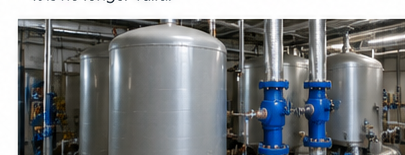
Storage vessels and associated pipework should be considered within the assessment scope.
Infrequently used outlets. Spare bedrooms, staff showers, external taps and little-used washrooms may be omitted from routine checks. Where the assessment identifies stagnation risk, an appropriate flushing programme should be established, undertaken safely and recorded.
Periods of vacancy. Student properties over holidays, empty rental homes and temporarily closed business units can experience prolonged non-use. HSE advises considering suitable flushing or, for long periods, draining and other arrangements appropriate to the system before reoccupation.
Poor temperature control. For systems using temperature as the principal control measure, HSE guidance generally advises storing hot water at 60°C or above, achieving at least 50°C at outlets within one minute (55°C in healthcare settings), and maintaining cold water below 20°C where practicable. Measurements and remedial actions should be determined by the system and its assessment.
Unnecessary or redundant pipework. Dead ends and poorly configured branches can hold stagnant water even when nearby taps are used frequently. Identifying and removing redundant pipework may be more effective than relying indefinitely on flushing.
Showers, hoses and spray fittings. Scale and deposits can support microbial growth. Suitable cleaning and descaling, combined with appropriate use and maintenance, should form part of the control measures where relevant.
An action plan that is never closed out. A risk assessment may correctly identify deficiencies, but its value is lost if responsibility, timescales and evidence of completed actions are not established. This is a management failure, not merely a paperwork gap.
A practical approach to Legionella control
Start by understanding the water system: how water enters the premises, whether it is stored, how hot water is generated, where it circulates and which outlets are used infrequently. Identify who could be exposed, including staff, tenants, visitors and people at increased risk. Appoint competent people to manage the necessary controls and make sure responsibilities are clear between owners, landlords, managing agents and occupiers.
Next, implement measures proportionate to the findings. These may include monitoring water temperatures, flushing low-use outlets, maintaining tanks and water heaters, cleaning shower fittings, repairing faults and removing redundant pipework. Keep records where required and, as a matter of good management, retain sufficient evidence to show that identified controls are actually being delivered.
Flushing is not a universal cure. It must be planned to minimise aerosol exposure and may be insufficient where the system has design defects or contamination concerns. Buildings returning to use after extended closure, or systems with suspected loss of control, may need advice from a competent water hygiene specialist before normal use resumes.
Do you need water testing as well as a risk assessment?
A Legionella risk assessment and microbiological water sampling serve different purposes. The assessment examines the system, identifies exposure pathways and determines the controls needed. Sampling can provide additional evidence in specified circumstances, but a negative result on one day does not prove that the whole system will remain safe.
HSE guidance states that routine Legionella sampling is not usually required for many ordinary domestic hot and cold water systems. Sampling may be appropriate where control effectiveness is uncertain, temperatures or disinfectant levels cannot be maintained, or the assessment identifies particular reasons for it. Testing should therefore be risk-led rather than sold as a universal substitute for prevention.
When should a Legionella risk assessment be reviewed?
There is no single statutory renewal interval suitable for every building. A review is particularly important after alterations to pipework, changes in occupancy or building use, prolonged closure, repeated temperature failures, changes in the people at risk or evidence that existing controls are not working. The frequency and depth of review should reflect the complexity and risk of the system.
A useful management question is: “If an inspector asked how we know our water system is under control today, what evidence could we show?” A dated report is a starting point. Current monitoring records, completed actions and a clear understanding of the system provide the stronger answer.
Legionella risk assessments in Manchester and across the North West
Grey Knight Solutions Ltd supports landlords, property managers and businesses with practical Legionella risk assessments tailored to their premises. Our approach is to identify foreseeable hazards, explain the significance of findings and provide a clear, prioritised action plan that clients can use to manage risk—not simply file away.
If your building has vacant rooms, little-used showers, a complex hot and cold water system or an assessment that no longer reflects how the premises operates, now is a sensible time to review your arrangements. Arrange a Legionella risk assessment with Grey Knight Solutions Ltd. Call 0161 883 7533 or visit Grey Knight Solutions to discuss your property and request a quotation.